
Bringing together several African countries and representatives from ECOWAS in Cairo from December 19 to 21, the second Russia–Africa Ministerial Partnership Forum provided a mixed picture of Moscow’s African strategy. A small-format event held in a small room to prepare for the third Russia-Africa meeting scheduled for 2026, but without the key figures from Russia’s partnerships on the continent.
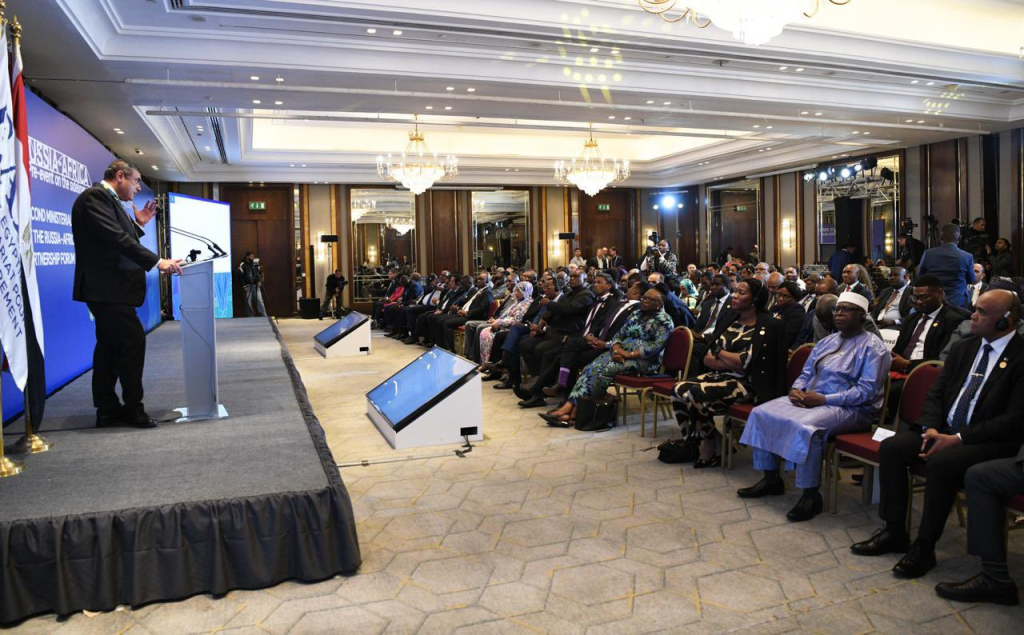
The choice of the Egyptian capital is not trivial: Egypt remains one of the main clients of the Russian arms industry in Africa and a key security partner. According to several documents obtained by INPACT, Egypt is also among the countries that have contributed the most to the war effort in Ukraine, particularly by providing men to fight alongside Russian forces. However, Russia is increasingly grating on the nerves of one of its historical partners by challenging its traditional position in the Red Sea. In last October, Sudan presented the Russian government with a proposal reviving the 2020 agreements for the construction of a Russian naval military base, with a 25-year concession and the possibility of having 300 soldiers on-site and four warships. A pact mutually benefiting both parties: providing a lifeline for the Sudanese and addressing the Syrian uncertainty for Russia.
The event, observed by INPACT, was however distinguished by its reduced format: a smaller number of participating countries, a modest-sized room, sparse attendance, and the absence of usual figures from Russian security circles, particularly those from military intelligence for bilateral discussions. There is also a notable absence of reduced formats with key partners of Russia: CAR, Mali, Burkina Faso, or Niger. This discretion contrasts with the displays of diplomatic strength seen in previous editions.
In political terms, a few signals have nevertheless been sent, with the signing of bilateral agreements with Zimbabwe and the presence of Sudanese representatives. The latter have called for the classification of the RSF as a terrorist group, overlooking the role played by Russia in training and arming the group a few years earlier under the direction of Evgeny Prigozhin. Representatives from Mauritania have been particularly well looked after, being the last country in the Sahel on the margins of others and closely supported by the West. Similarly, Russia continues to strengthen its ties with Ethiopia, a country of significance for its African strategy.
Conversely, the representatives of the Polisario Front were kept at bay, confirming a cautious official diplomatic line towards groups claiming their independence, which reflects narratives pushed by Russian influence operations.
Finally, it is interesting to note two points included in the joint declaration following the forum. One of the first points concerns neo-colonialism, with Russia indicating that there is still work to be done in terms of decolonization.
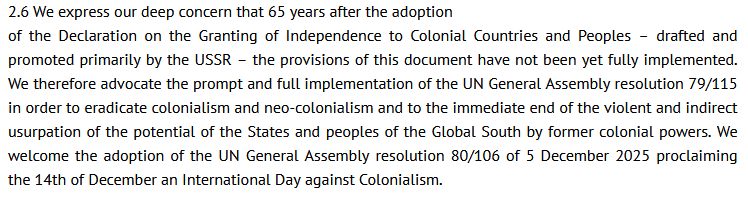
By coincidence, Algeria will present at the forum, asking three days after the forum of “apologies” and reparations to France.

Russia has also managed to have the success of the Russian-African security partnership included in its text, even though INPACT has not identified any representatives from the security apparatus of Mali, Niger, and Burkina Faso, and the rise of armed groups in the Sahel has become a symbol of Russian security failure on the continent, all shaded by ongoing human rights violations since the arrival of Russians in Sudan in 2017.
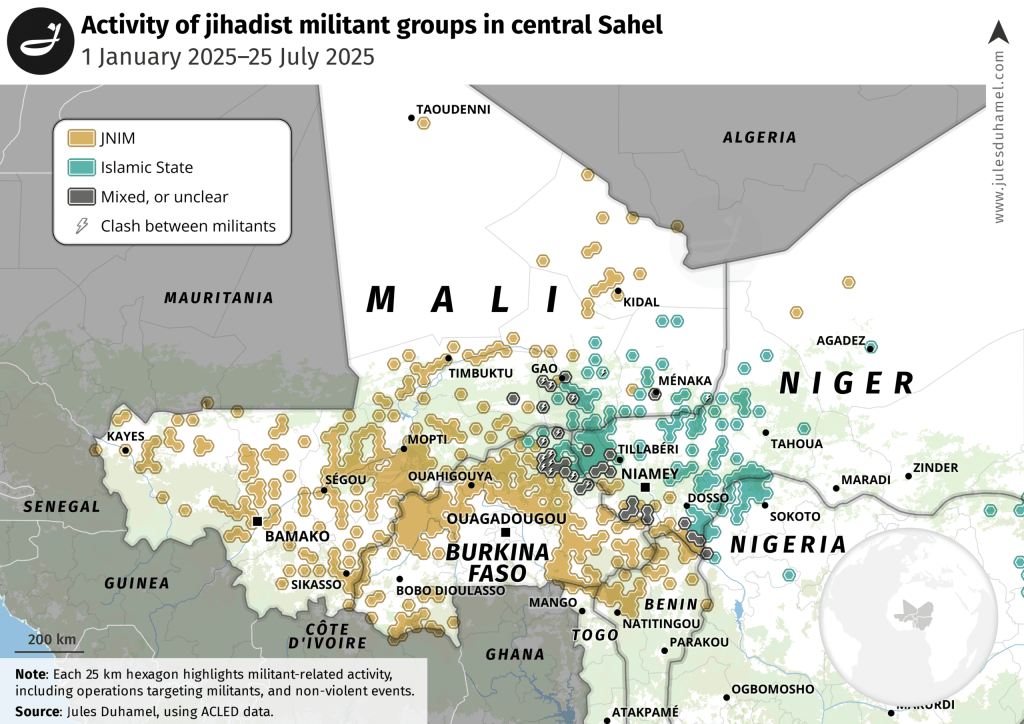
A notable sign of the usual double discourse: Russia has appeared focused on respecting non-proliferation treaties while it has facilitated the yellow cake convoy from Niger to Togo via a route passing through terrorist territories.
 Investigations with Impact
Leave a comment